
Real Jobs. Real Photos. No Stock.
Every photo on this page came off a camera at an actual E Cleaning job — no stock images, no borrowed pictures, no staging. This is what we find inside real ducts and dryer vents around Montgomery, Chester, Bucks, and Delaware counties, and what those same systems look like when we finish.

What does a duct look like before and after cleaning?
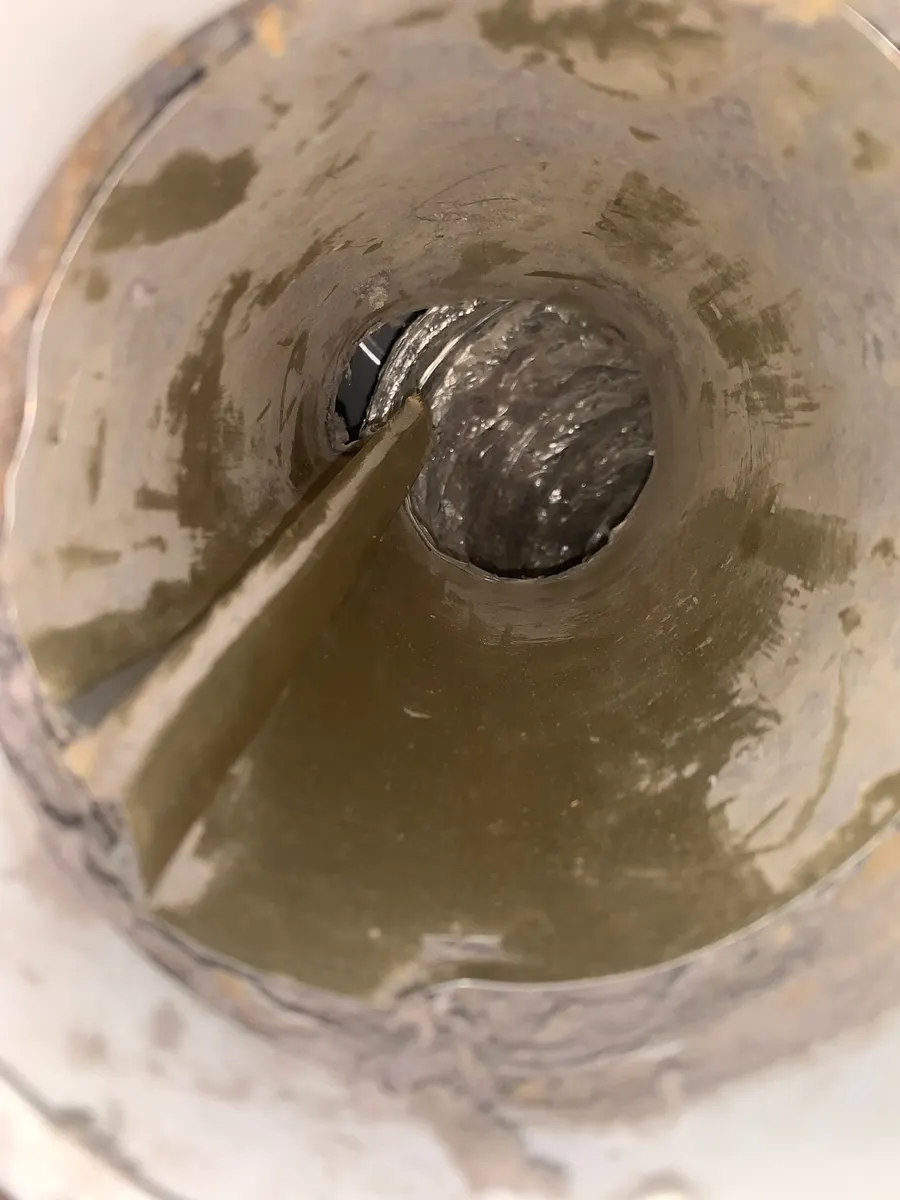
Before cleaning, duct walls are typically coated in a grey-brown layer of compacted dust, hair, and debris — often thick enough to hide the metal entirely. After source-removal cleaning with negative-pressure equipment, you can see bare, bright sheet metal again. Drag the handle on each photo below to compare the same duct, same angle, before and after our work.
These three comparisons come straight from our job files. Each pair shows the identical section of ductwork — we photograph before we start and again after our Nikro negative-pressure machine and agitation tools have done their work, so the difference you see is the cleaning, not the camera angle.


Why do we photograph every job?
Because in this industry, photos keep everyone honest — including us. Duct cleaning happens inside walls and ceilings where you cannot easily check the work, so we document it: a free video inspection inside your ducts before we quote anything, and after-photos when the job is done.
The duct cleaning industry has a well-earned trust problem. The "$49 whole-house special" companies count on the fact that you cannot see inside your own ductwork — they can vacuum one register for ten minutes, invent a mold scare, and upsell you on the spot, because there is no visible evidence either way. Our answer to that is simple: evidence.
Video inspection before
Before any work is quoted, we run a camera inside your ducts and show you the footage on the spot. If they are clean, we tell you so and you keep your money. You only pay for cleaning your system actually needs.
After-photos when we finish
When the job is done, you get photos of the cleaned duct interiors — the same angles we shot before. You never have to take our word that the work happened; you can see it.
Backed by real guarantees
We are a PA licensed contractor (PA 187935), insured up to $2 million, and Google Guaranteed with money-back protection up to $2,000 on qualifying jobs. The photos are the proof; the guarantees are the backstop.
Every image in the galleries below exists because of that habit. We have been photographing jobs since we started in 2016, and this page is a sample of what our technicians actually find inside homes across the Philadelphia suburbs.
How does a trunk line go from caked to clean?
In three stages: open and inspect, agitate under negative pressure, then verify with the camera. This trio of photos follows a single main trunk line through one of our cleanings — same duct, same access point, about two hours apart.

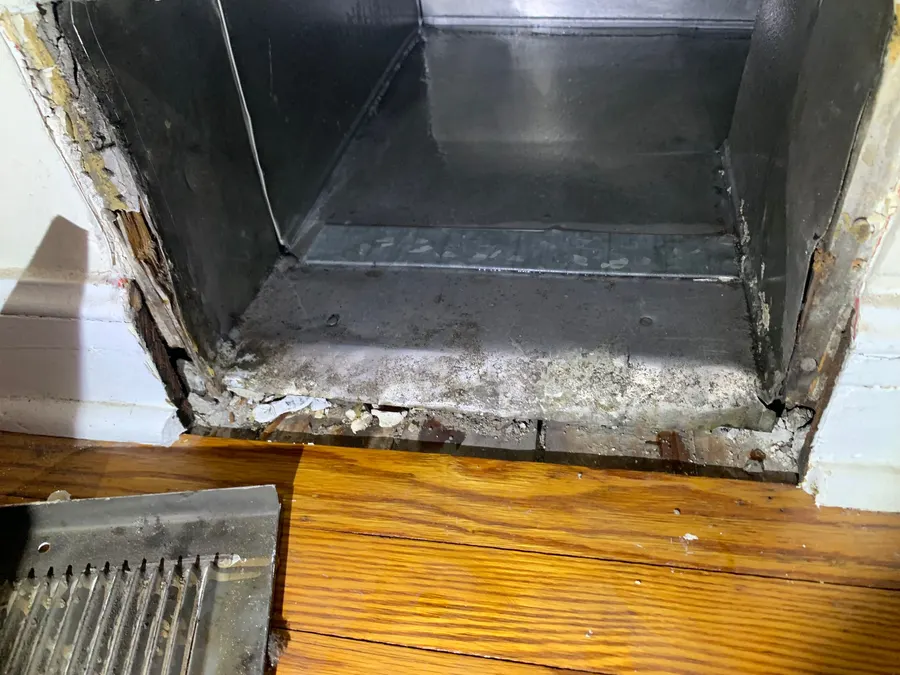
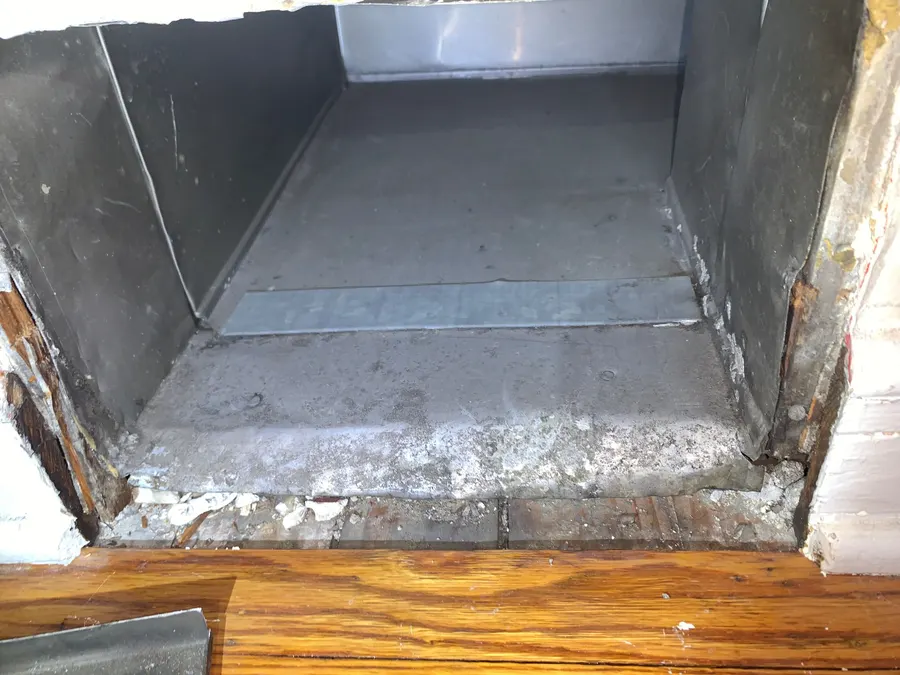
Open and inspect
We cut a proper access opening in the trunk, run the inspection camera, and photograph the starting condition. This is the "before" you see above — and it is what most systems look like when they have never been cleaned.
Agitate under negative pressure
Our Nikro negative-pressure machine puts the entire duct run under vacuum while air whips and agitation tools scrub the walls. Loosened debris travels one direction only: into the HEPA-filtered collector, not into your rooms.
Verify and document
We run the camera again, photograph the result, and seal the access opening with a proper cap. The after-photo goes to you. If any section still shows buildup, we clean it again before we call the job done.
This is the source-removal method — the approach NADCA sets as the industry standard. It is slower than the blow-and-go trucks, and it is why we work from a flat, written quote you approve before we start — not a $49 teaser that mutates into a surprise invoice in your hallway.
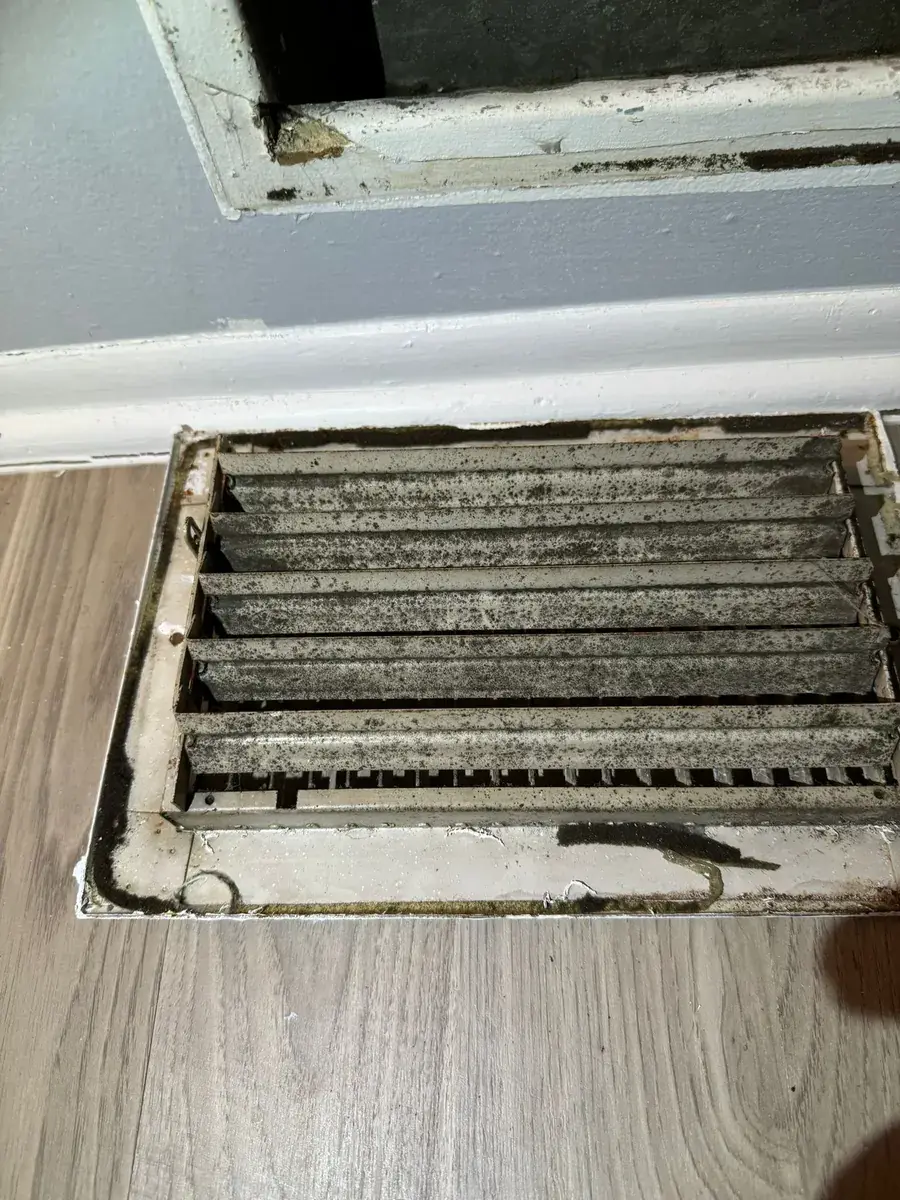
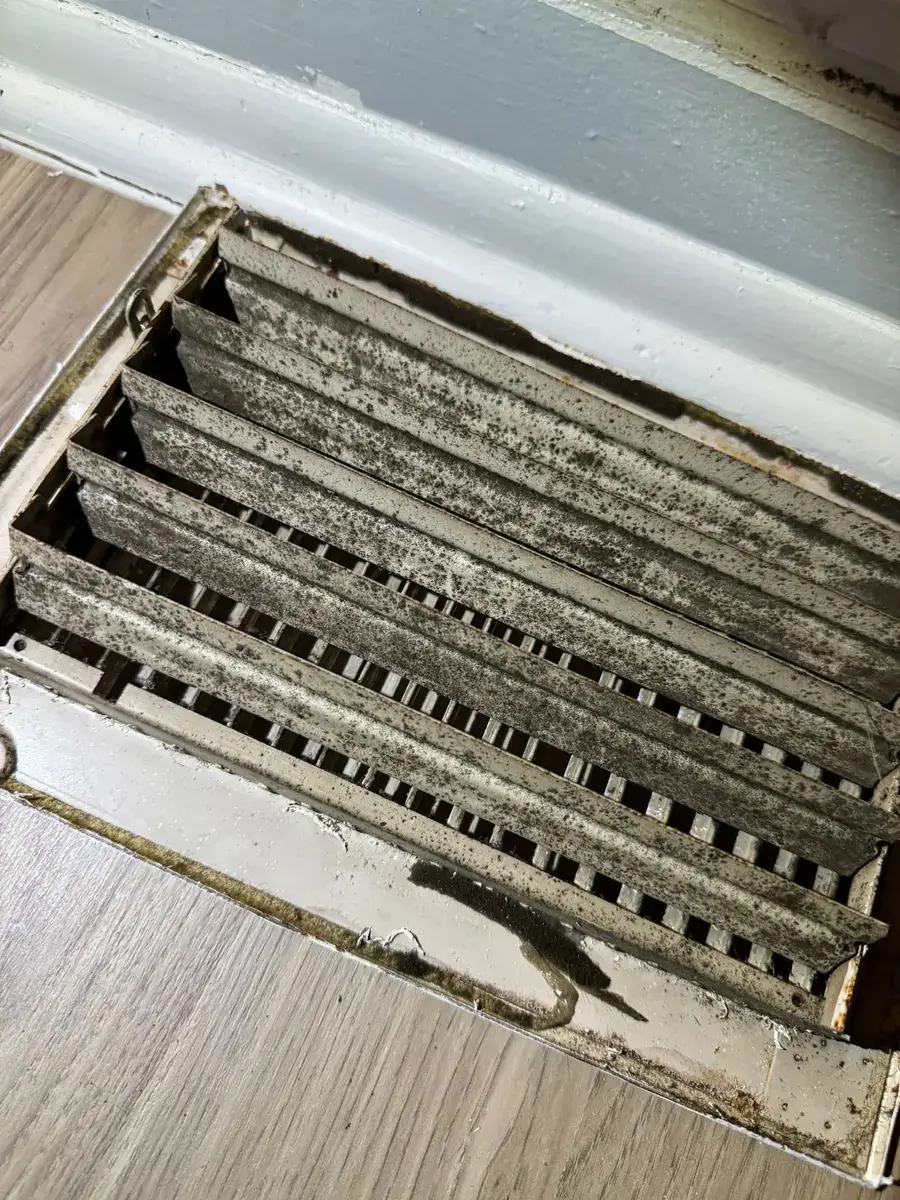
What do dirty air ducts really look like?
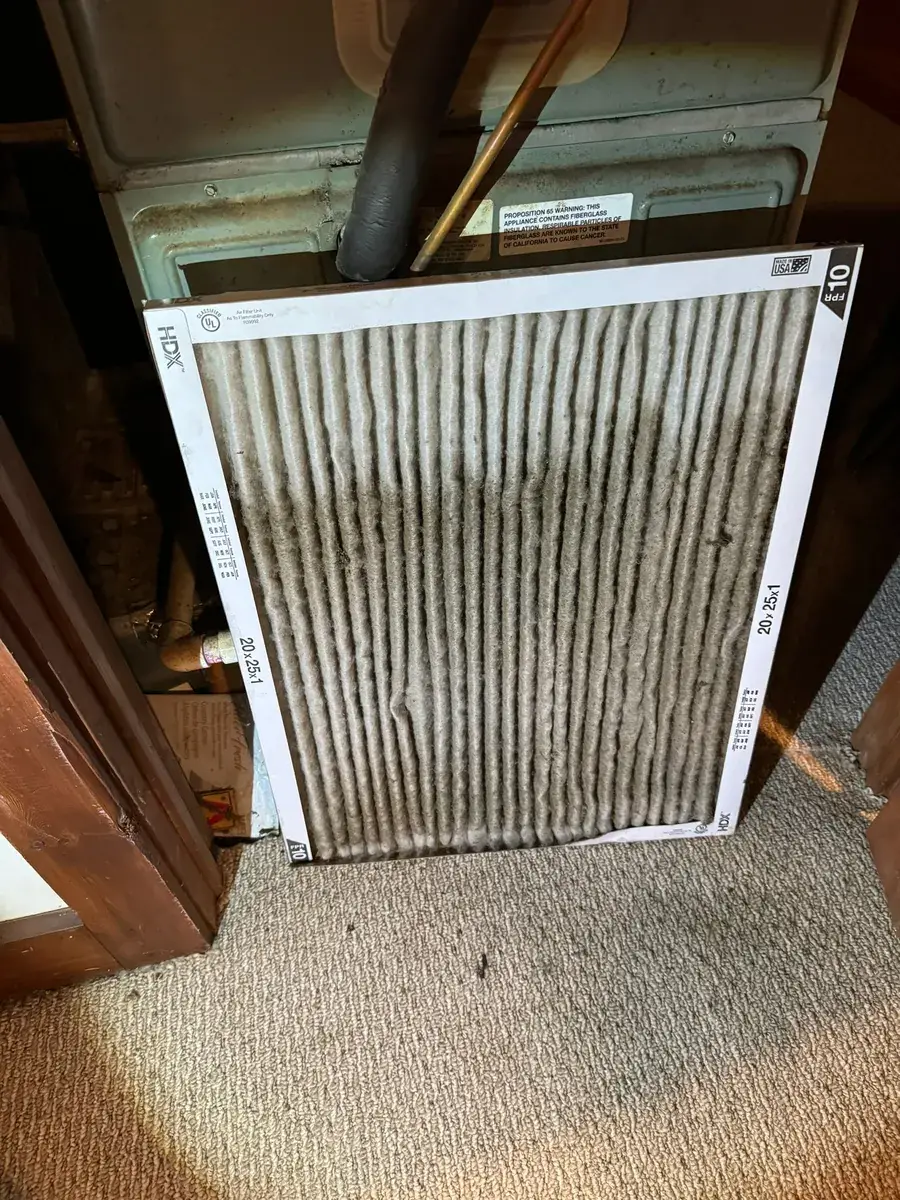
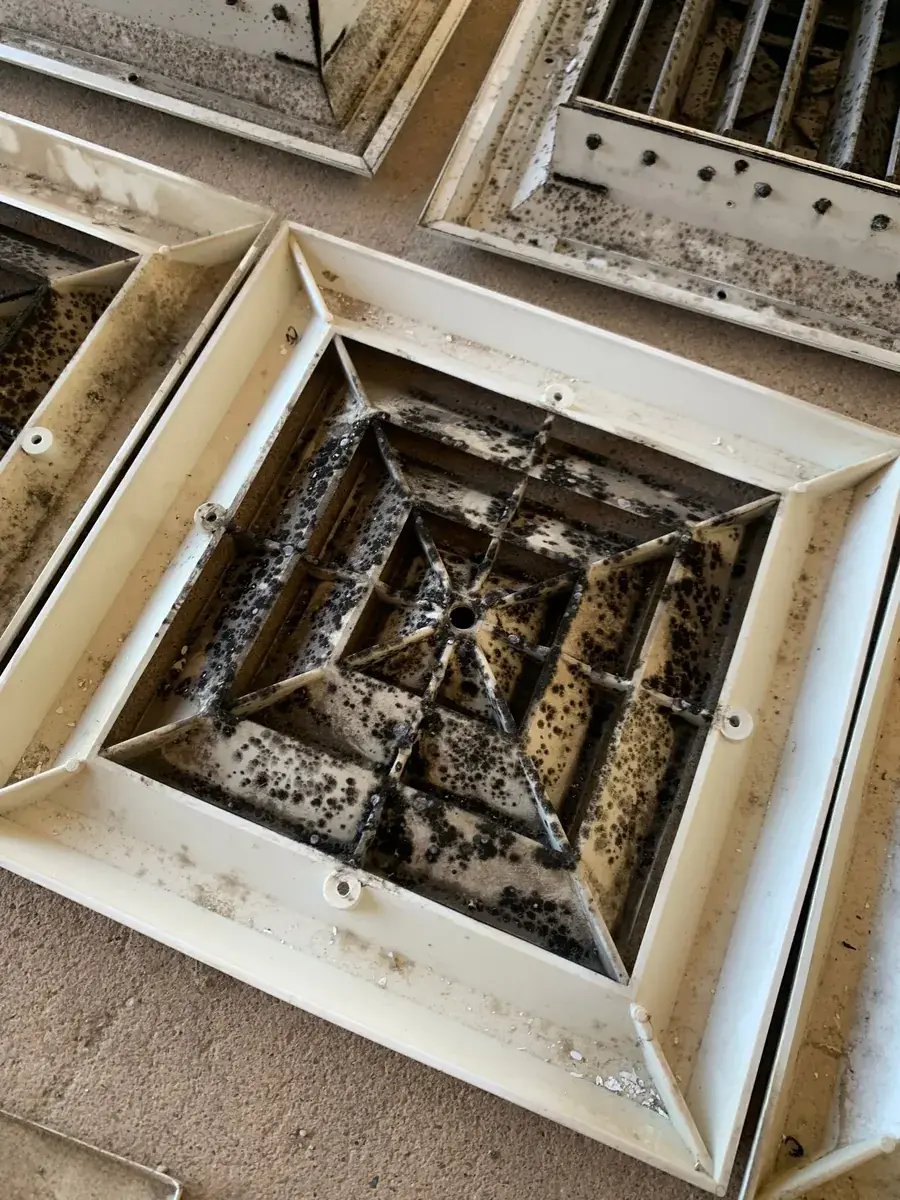
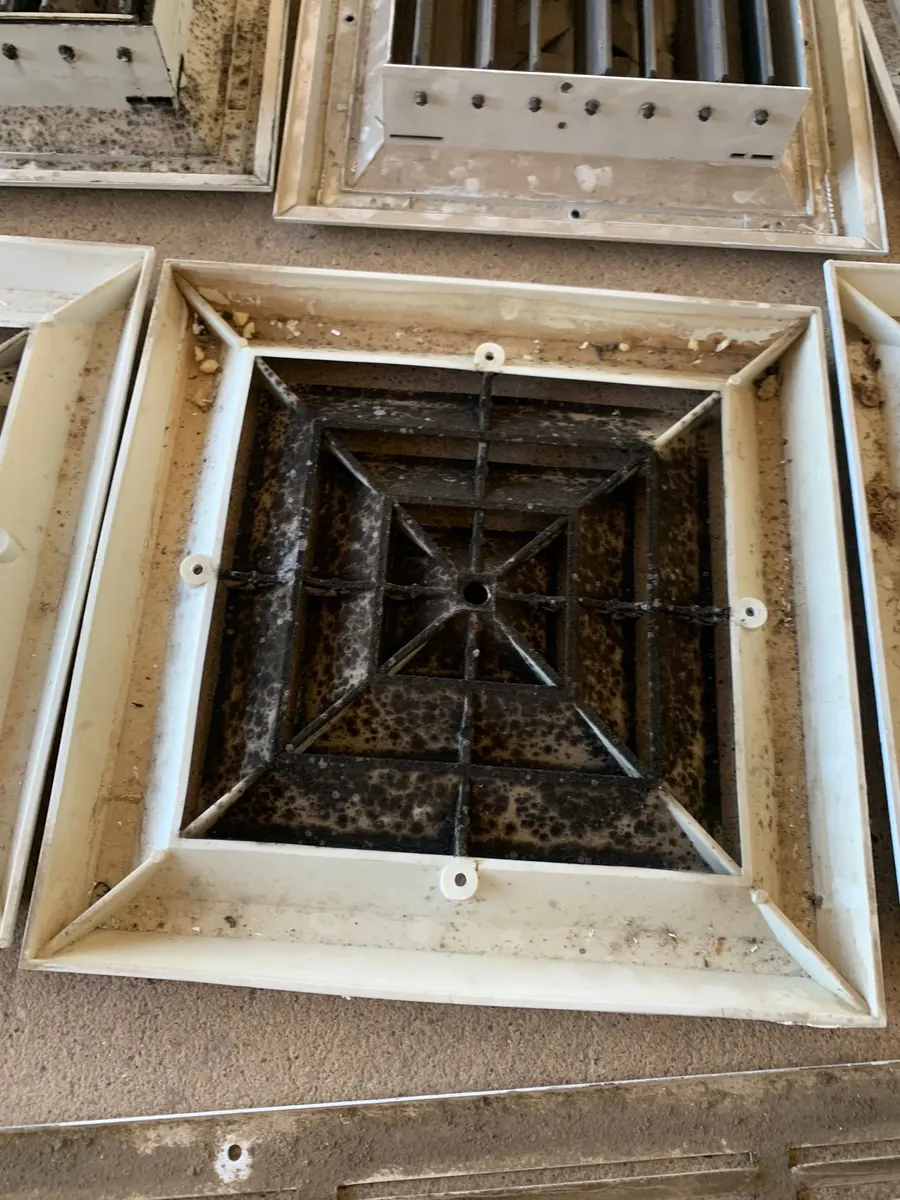
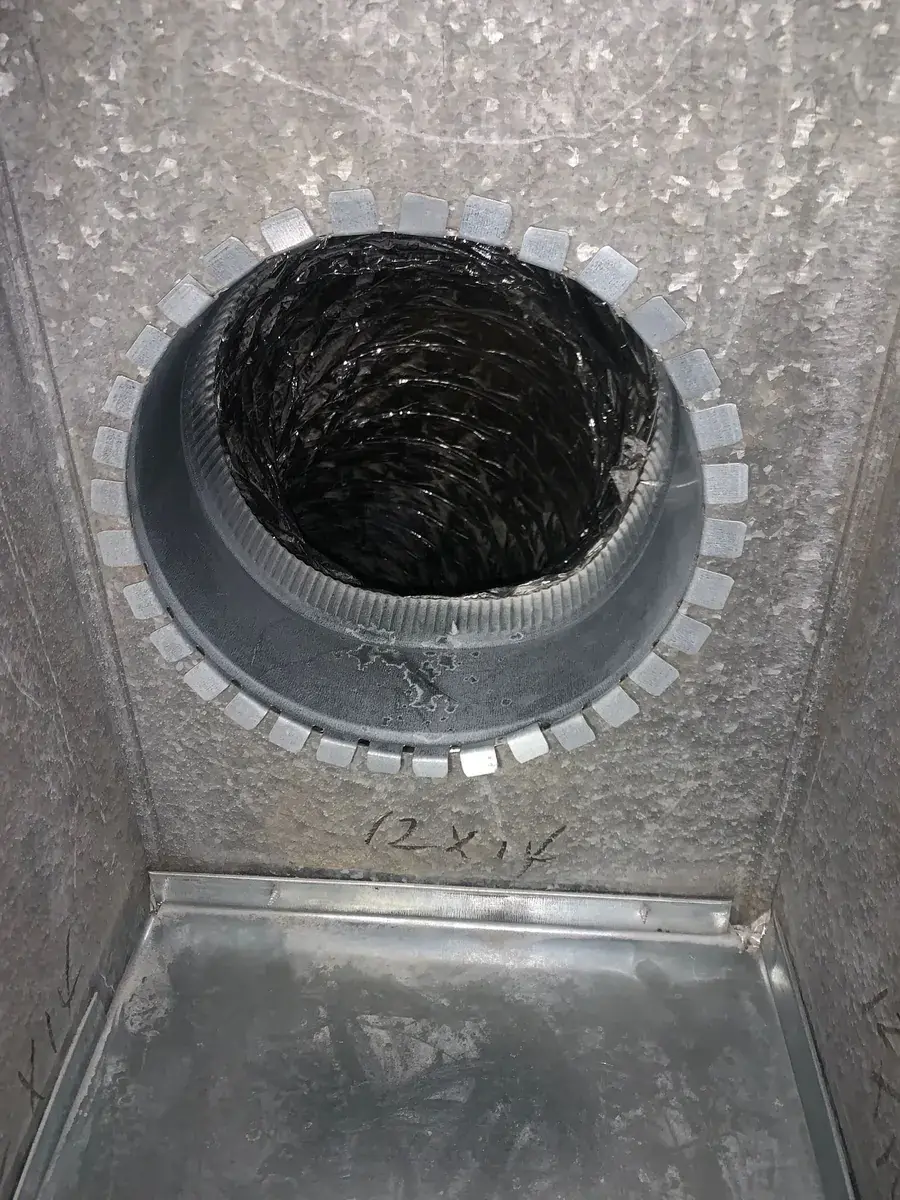
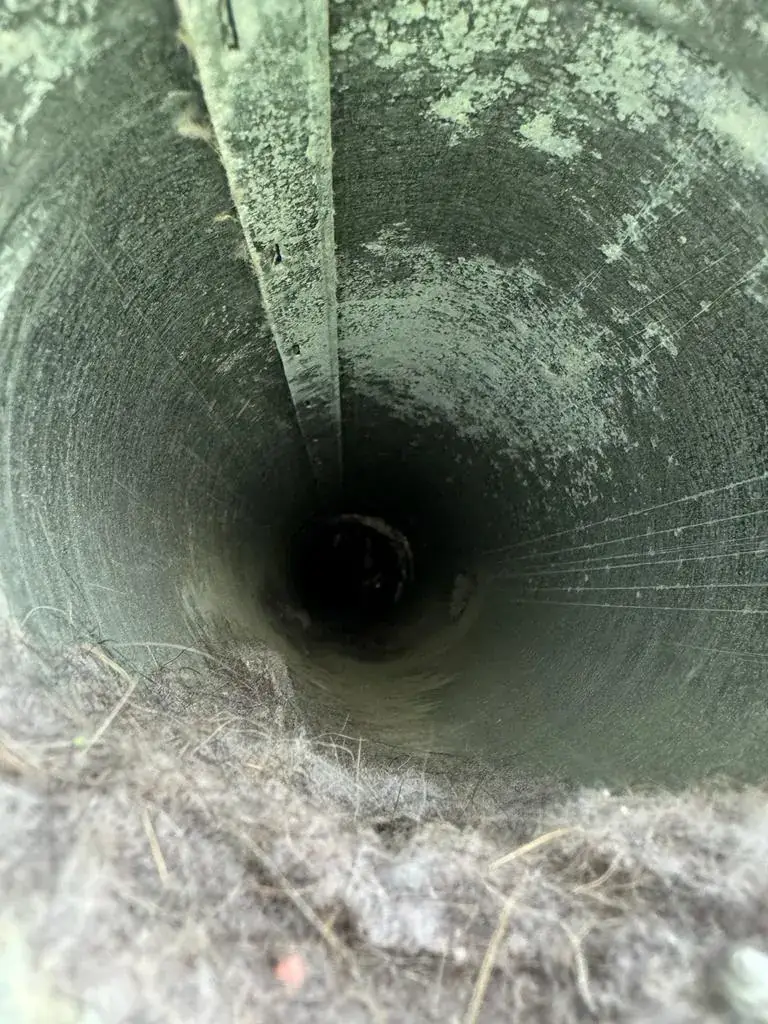
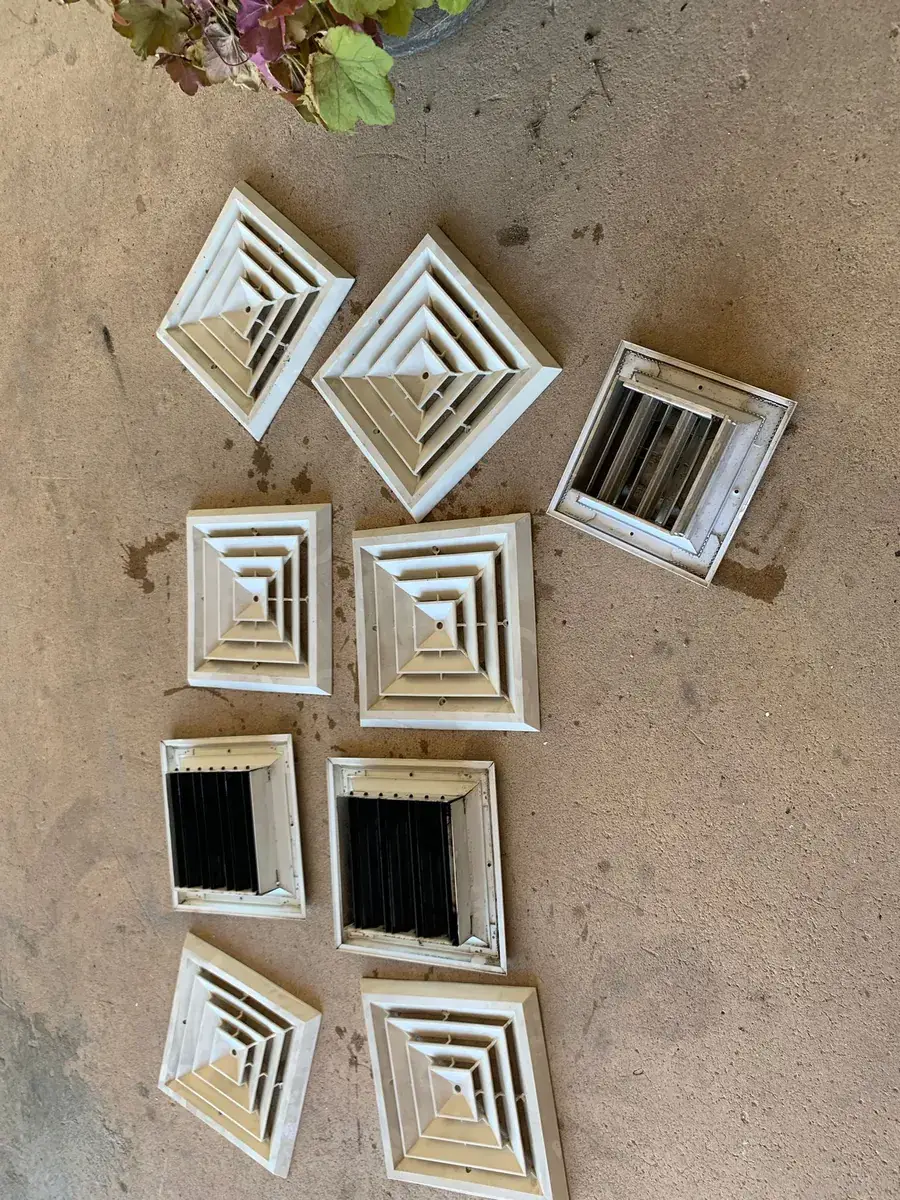
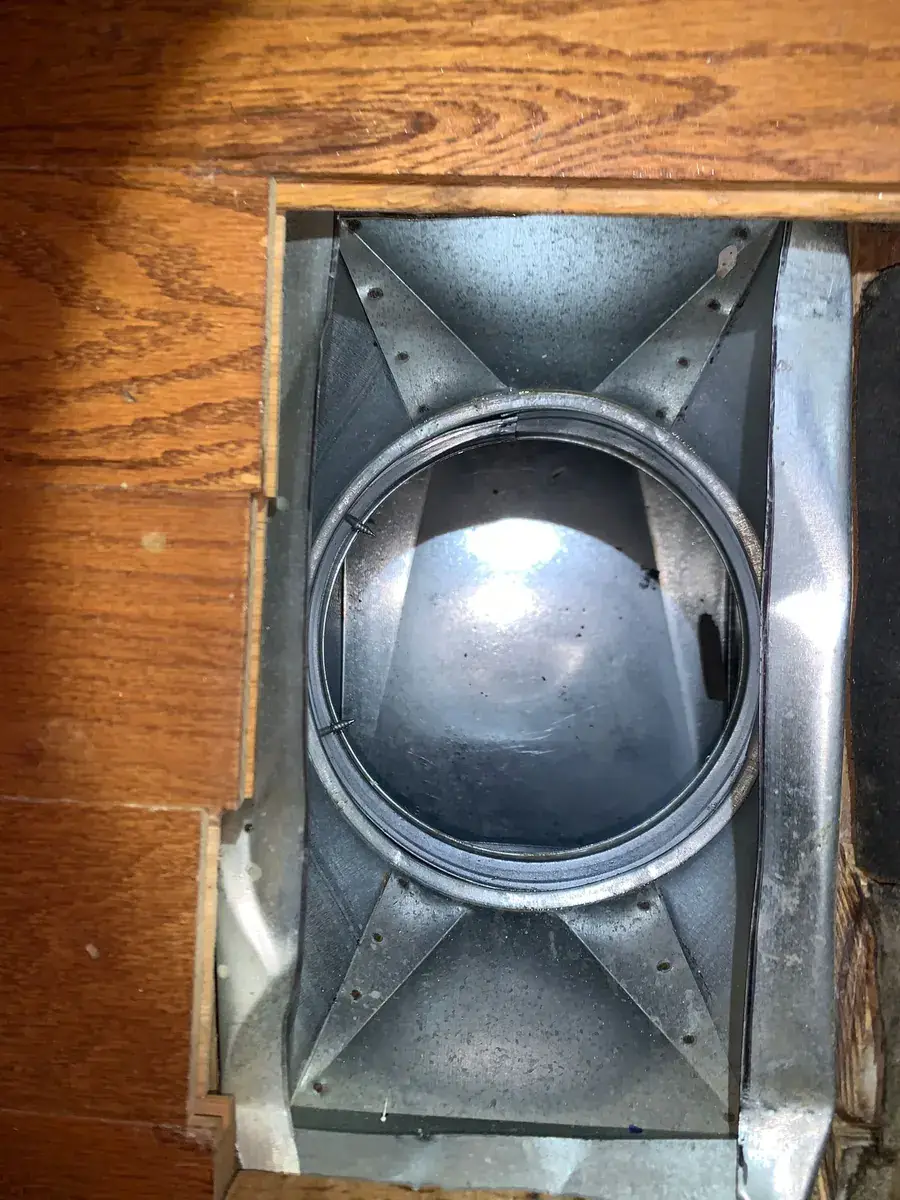
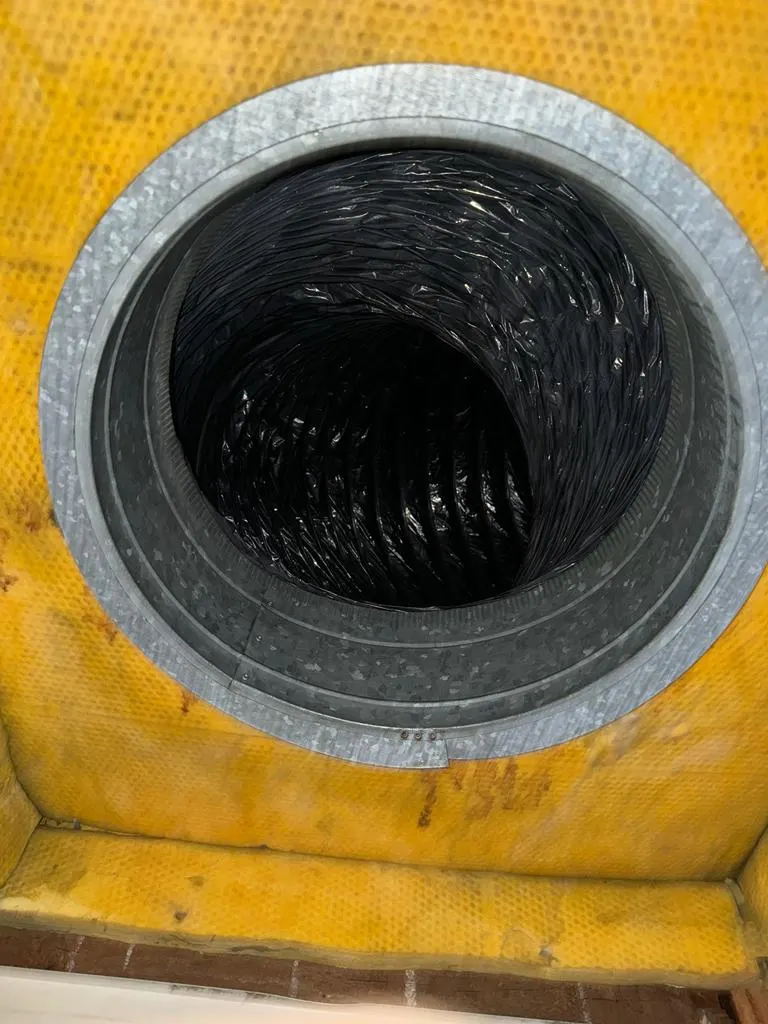
Usually worse than homeowners expect. Returns caked shut with dust and pet hair, diffusers spotted with mold growth, and ducts hosting debris from old animal nests — all of it sitting in the airstream your family breathes. Every photo below is from an E Cleaning job, captioned with exactly what you are looking at.





What comes out of a dryer vent?
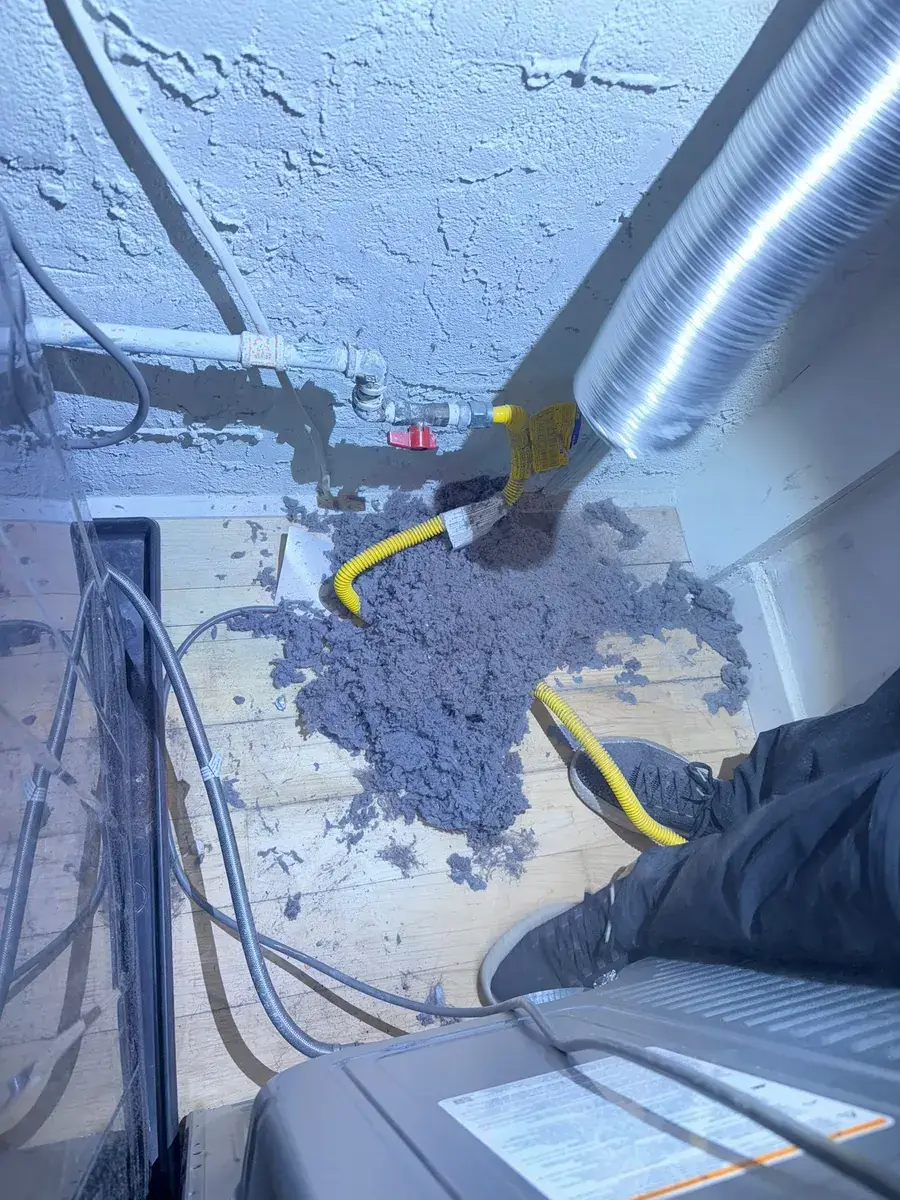
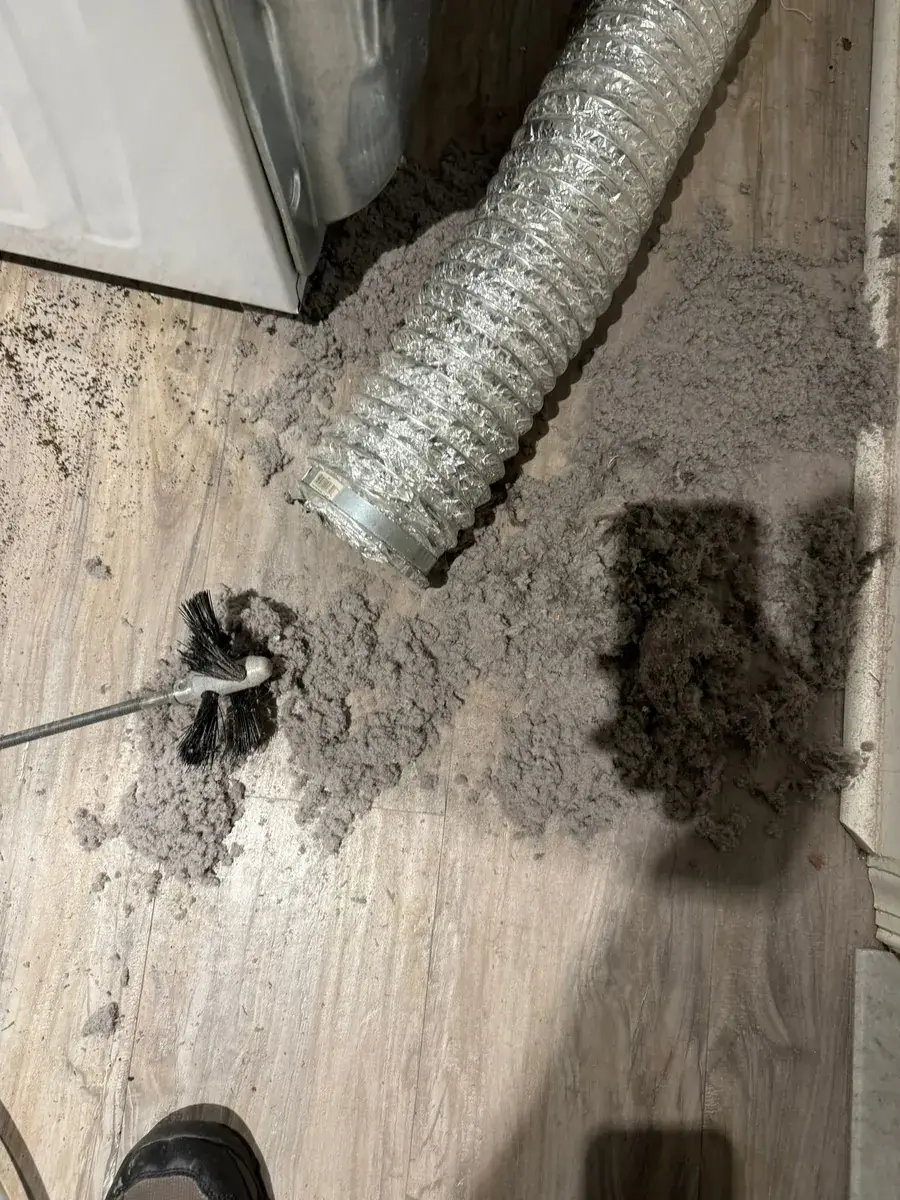
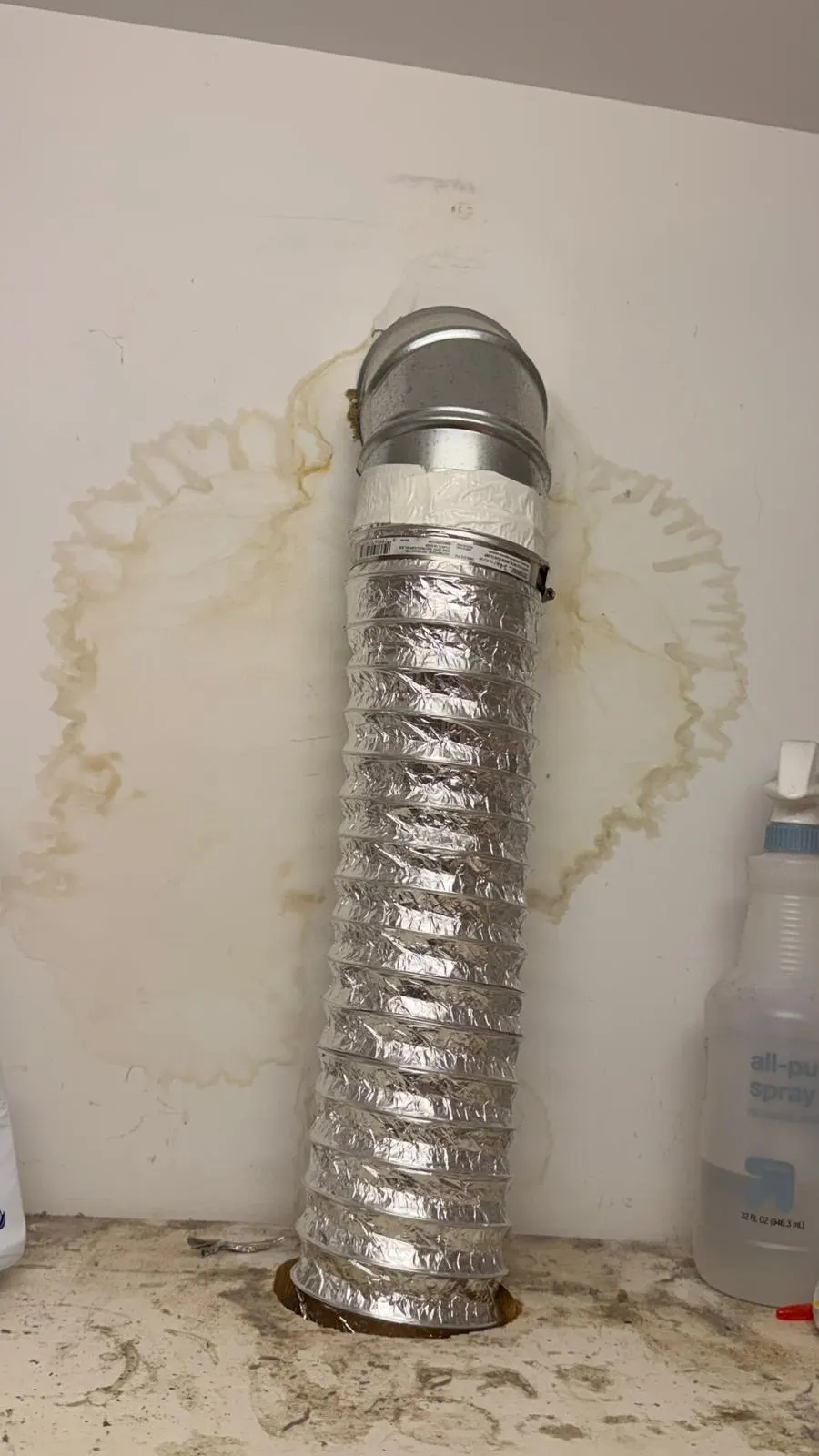
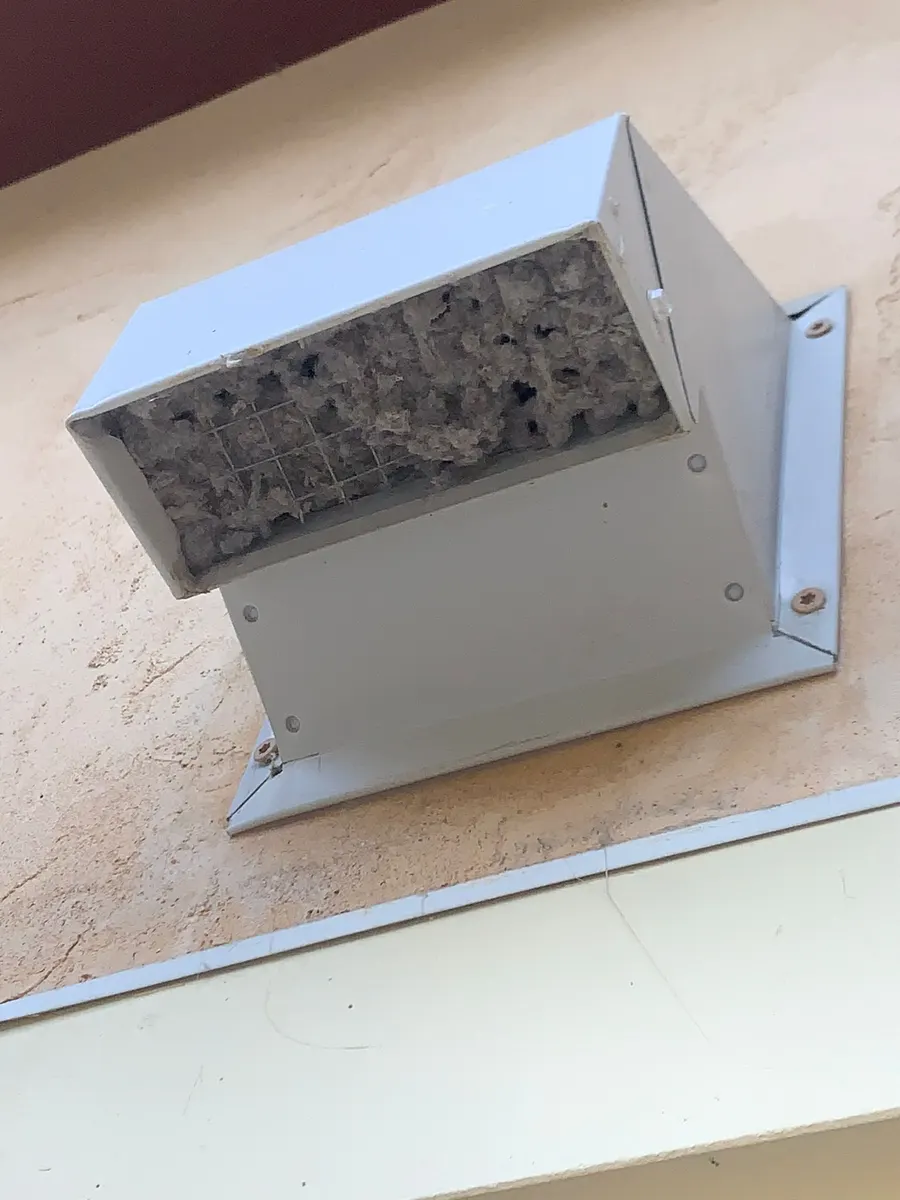
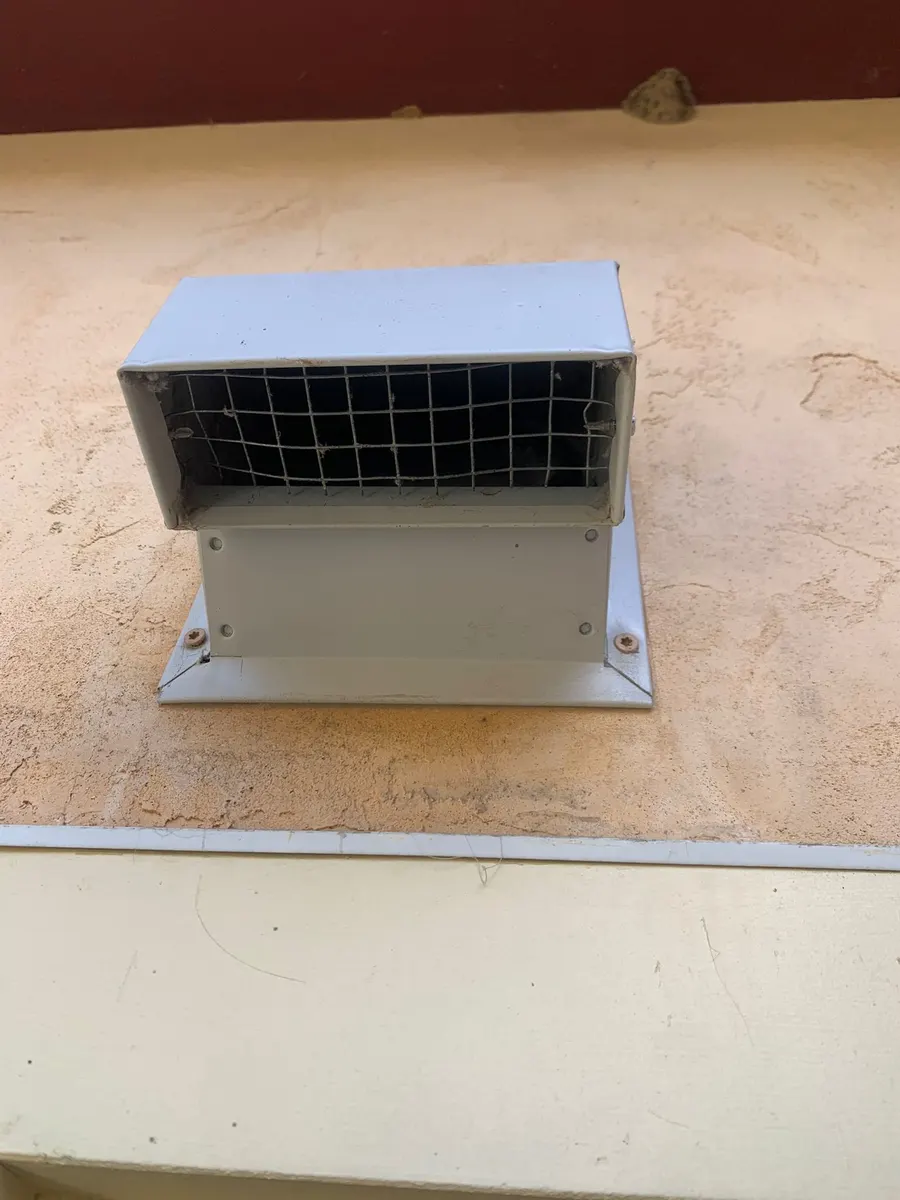
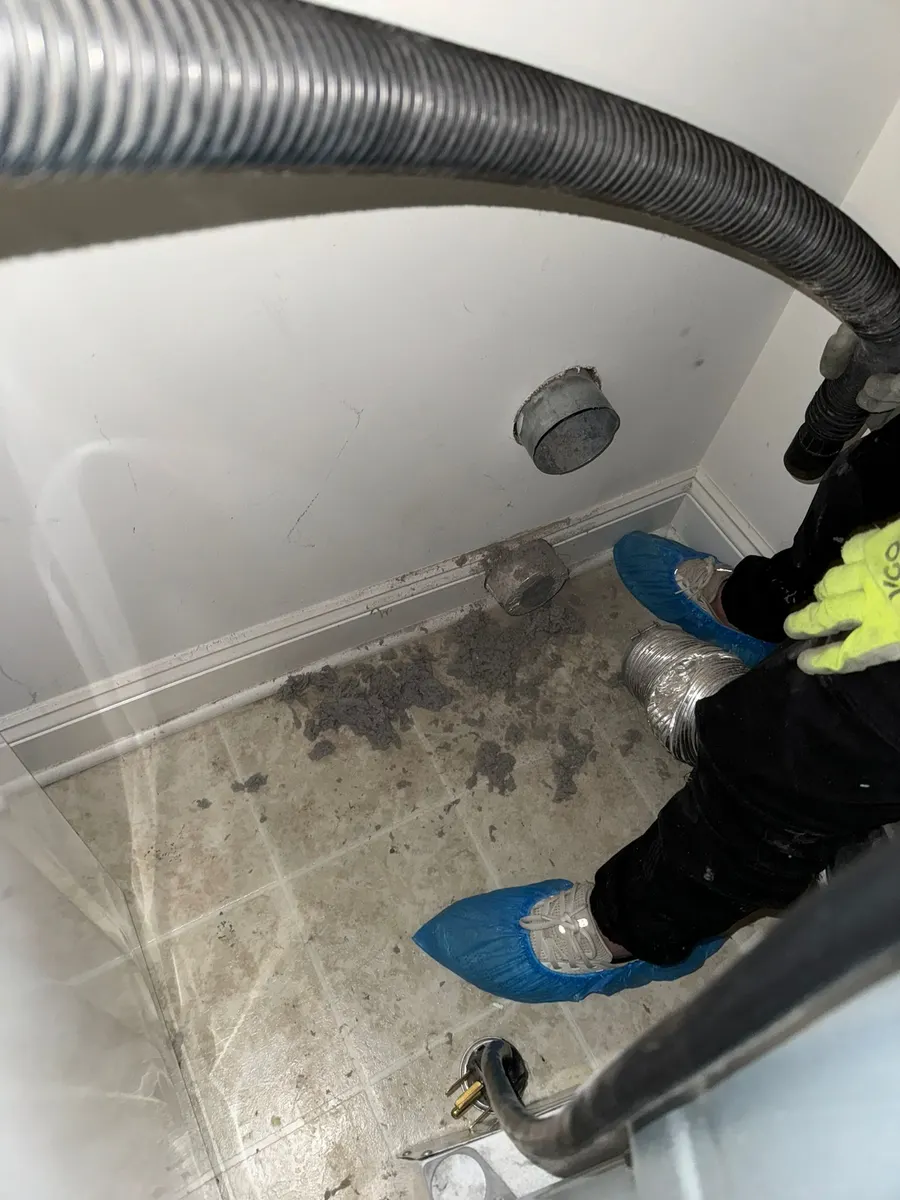
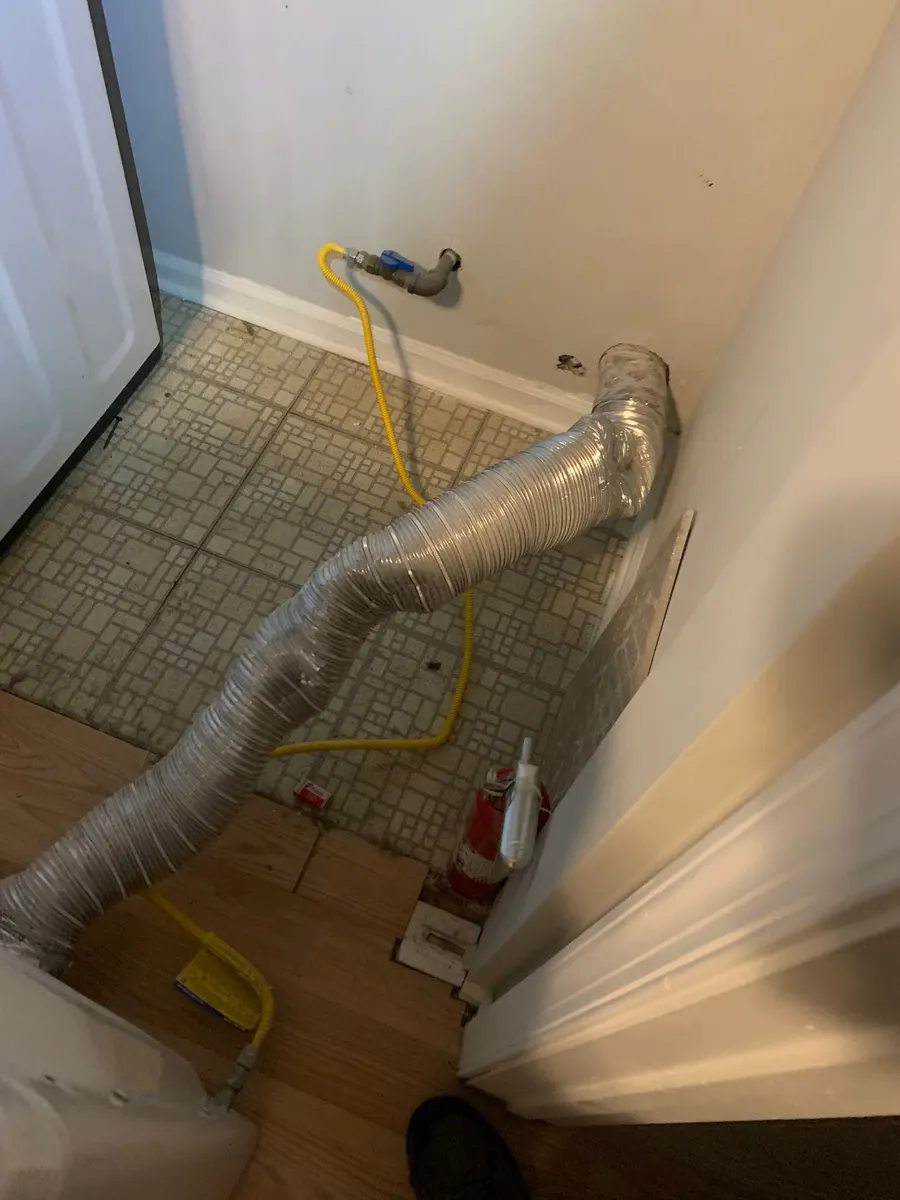
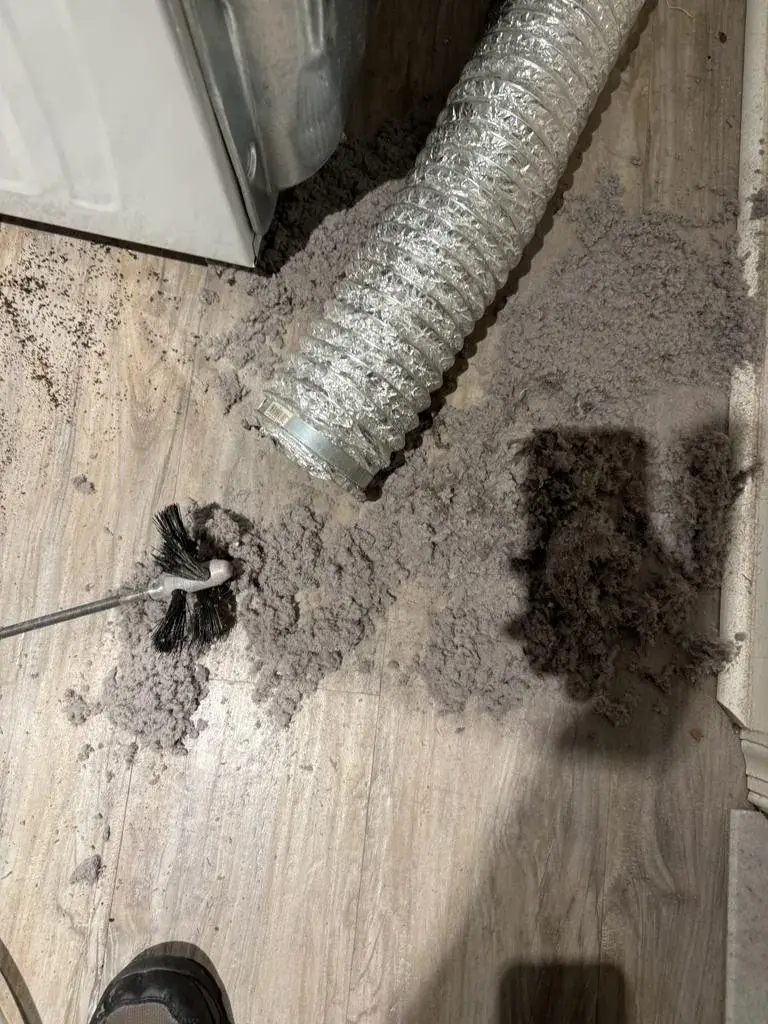
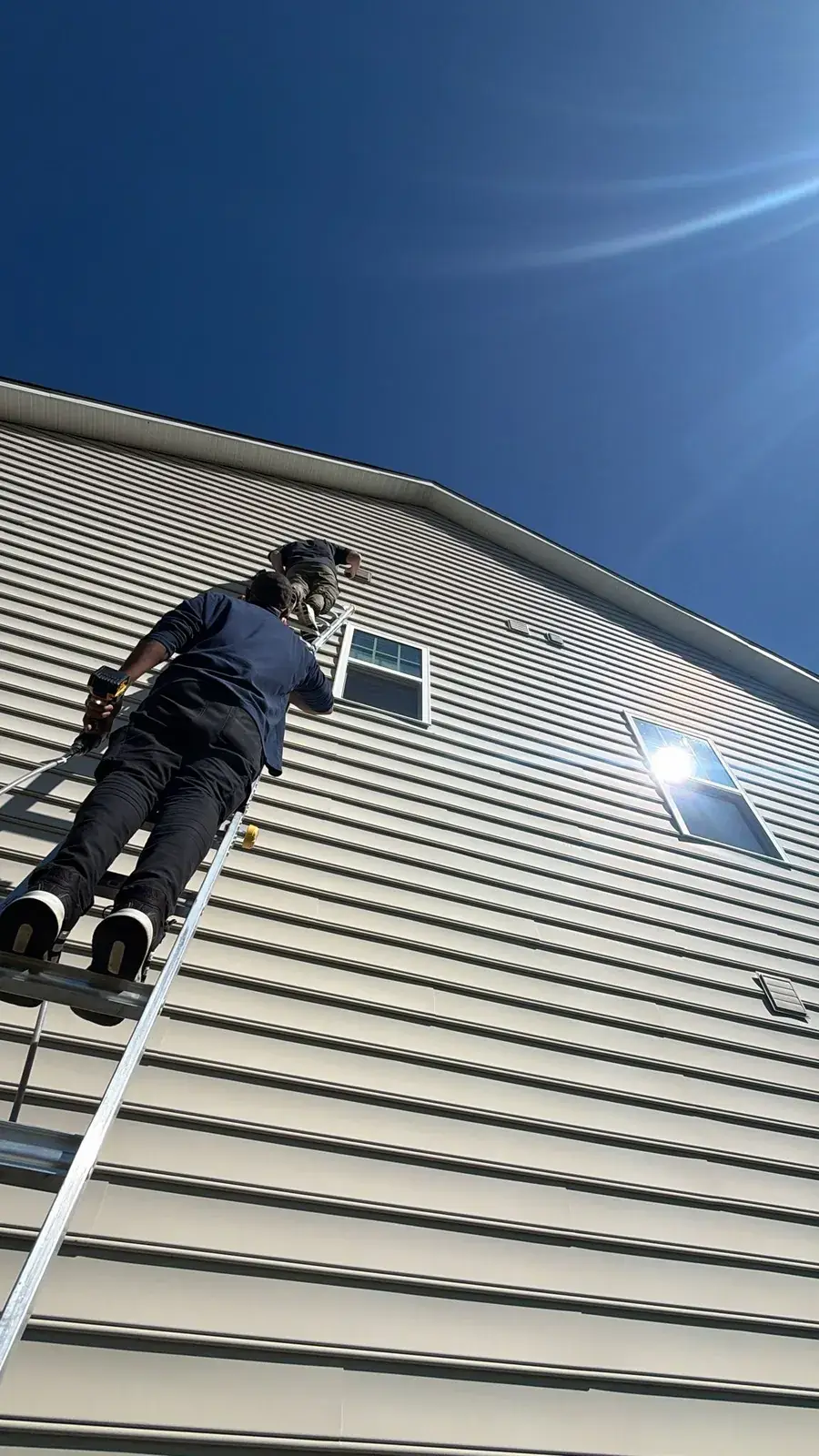
Pounds of packed lint — and every ounce of it is fuel sitting next to a heating element. These photos show the lint piles, clogged exterior hoods, and stained transition hoses our technicians deal with on ordinary dryer vent cleanings around the Philadelphia suburbs.


How do you find out what your own ducts look like?
Ask us to show you — the inspection is free. We run a video camera inside your ductwork before quoting any work, so you see your system's real condition on the spot, the same way every before-photo on this page started.
- Free video inspection first — if your ducts are clean, we tell you and you owe nothing for the look
- Flat, written quote before any work — based on what the camera actually shows, with routine cleaning and deep cleaning scoped honestly as different services, and no trip fees anywhere in our service area
- After-photos included — your job ends the same way these did, with documentation of the finished work
- Financing available — flexible payment options through Wisetack, and we answer around the clock for emergencies
We serve Montgomery, Chester, Bucks, Delaware, Berks, and Philadelphia counties, 24 hours a day, Sunday through Friday. If your system has never been photographed from the inside, there is a good chance it looks like the before-pictures above — and one visit fixes that.
Video from real jobs
Footage shot on our technicians' phones and a customer talking in his own living room. Nothing is stock, nothing is staged. Videos only load when you press play.
Gallery & Photo Questions
Are these photos really from your own jobs?
Yes — every image on this page was taken by an E Cleaning technician at a real job. We photograph every job we do: a video inspection before work begins and after-photos when we finish. We do not use stock photography or images borrowed from equipment manufacturers, because the whole point of this page is proof.
Will I get before and after photos of my own job?
Yes. Before any work is quoted, we run a free video inspection inside your ducts and show you the footage. After the cleaning, you receive photos of the cleaned interiors so you can verify the work without crawling into your ductwork. Documentation is part of every job, not an add-on.
What if the inspection shows my ducts are already clean?
Then we tell you so, and you keep your money. The video inspection is free and carries no obligation. We would rather send you a photo of clean ducts and earn the call three years from now than sell a cleaning you do not need — that is the opposite of the "$49 special" playbook, and it is deliberate.
How do ducts get as bad as the ones in these photos?
Time, mostly. The average six-room home can accumulate 40 pounds of dust in a year (Stanley Steemer and industry sources), and a portion settles inside the duct system with every heating and cooling cycle. Add pet hair, a renovation or two, a stretch of clogged filters, or animals finding a way in, and after ten or fifteen uncleaned years you get the caked trunk lines and packed returns shown above.
Is the mold on those diffusers dangerous?
Visible mold growth on diffusers or inside ducts is one of the situations where cleaning is clearly warranted — that is not marketing, it is the measured position public health agencies take. Diffuser growth usually starts where condensation meets dust. We clean the affected components, and for jobs that call for it we offer sanitization with EPA-registered products — scoped into your written quote before any work begins. If we find growth during your inspection, you will see it on camera before deciding anything.
How long does it take to get results like the after photos?
Most single-system homes take a few hours. The trunk-line sequence on this page — caked to bare metal — happened within one visit, using negative-pressure source removal: the duct run goes under vacuum while agitation tools scrub the walls, so debris exits into a HEPA-filtered collector instead of your rooms. We verify with the camera before we seal up, and if a section still shows buildup, we clean it again.
How much does it cost to get my ducts looking like the after photos?
It starts with a free video inspection — we look inside your ducts first, then hand you a flat, written quote before any work begins, based on what the camera actually shows. Routine cleaning and deep cleaning are scoped honestly as different services, there are no trip fees anywhere in our service area, and the number you approve is the number on the invoice — no surprise charges, no door-step upsell. Financing is available through Wisetack, and qualifying jobs carry Google Guaranteed money-back protection up to $2,000.
My dryer works fine — could my vent still look like those lint photos?
Yes, and that is what makes lint dangerous: the buildup is hidden and gradual, so the dryer keeps limping along while the risk grows. Failure to clean is the leading factor in dryer fires, contributing to one-third of them per NFPA data. Longer dry times, a hot machine, or lint at the exterior hood are late-stage signs; several homeowners in the photos above had noticed nothing at all until we opened the run.
See What Your Ducts Look Like Inside
Free video inspection before any work — same camera, same honesty as every photo on this page.