
The Best Time of Year for Duct Cleaning in Pennsylvania
Here is the honest starting point: duct cleaning works exactly the same in every month of the year. A negative-pressure machine does not care whether it is snowing. But the Pennsylvania calendar still matters — for what is sitting inside your ducts, for when your system works hardest, for when your dryer becomes a genuine fire risk, and for how easy it is to get the appointment slot you actually want. This guide makes the case for spring, the case for fall, explains why dryer vents follow a completely different schedule, and ends with an honest look at what booking is like in each season.
Why Is Spring the Classic Season for Duct Cleaning in Pennsylvania?
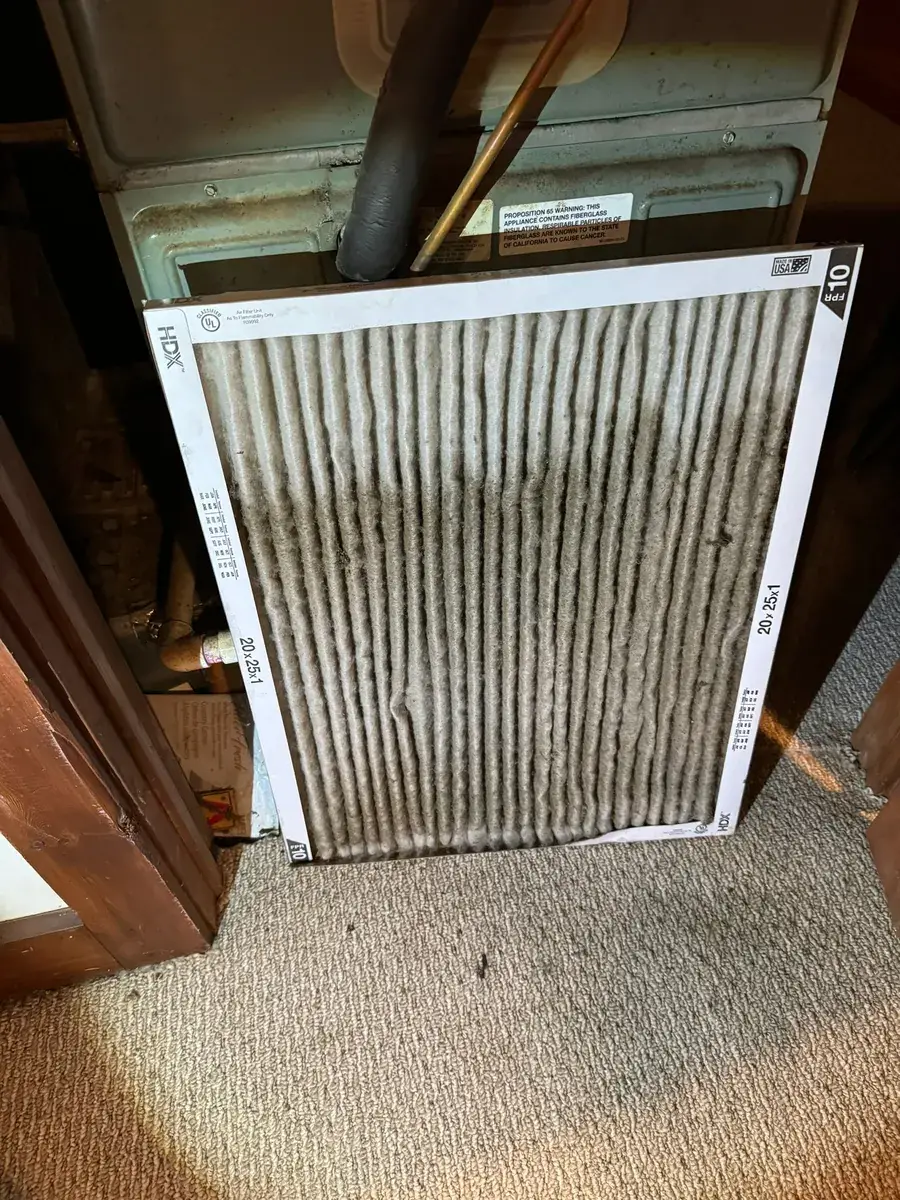
Because spring sits at the seam between the two halves of the HVAC year. In southeastern Pennsylvania the heating season runs roughly October through April — six months of the furnace cycling, the blower pushing air through every duct run in the house, and the windows staying shut. Everything the system stirred up over those months — dust, pet dander, skin flakes, soot from fireplaces and candles — has been settling along duct walls and matting inside return drops the whole time. By April, your ductwork is holding a full winter of buildup.
That matters more than it sounds, because winter is when you breathe recirculated air almost exclusively. The U.S. EPA reports that indoor levels of some pollutants may be 2 to 5 times — occasionally more than 100 times — higher than outdoor levels, and that people spend about 90% of their time indoors. In a sealed-up Pennsylvania house in February, "indoors" means whatever your ductwork is circulating.
A spring air duct cleaning accomplishes two things at once. First, it clears the heating season's accumulation out of the system before your air conditioner starts pushing air through the very same ducts — the supply and return runs serve both the furnace and the AC, so whatever settled over the winter goes airborne again the first hot week of June. Second, it lands at the front edge of allergy season. Tree and grass pollen in our corner of Pennsylvania run from roughly April into June, and a cleaning paired with a fresh, better-grade filter ahead of that stretch can help reduce the dust and dander recirculating through the system. We keep that claim measured on purpose — duct cleaning is not an allergy cure — but many homeowners with spring allergies tell us this is the season they notice the difference most. Our guide to air duct cleaning and allergies covers what it can and cannot do.
When Does Fall Make More Sense?
Fall is the pragmatist's season, and for plenty of homes it is the better choice. A September or October cleaning means the ductwork is at its cleanest exactly when it matters most: right before the furnace takes over and your family starts breathing recirculated air, with the windows closed, until spring.
Summer leaves its own residue behind. Open-window season lets in road dust and pollen. Humid Pennsylvania summers push moisture into basements and crawl spaces, and into any duct run that passes through them. And summer is renovation season — if a kitchen was redone or a bathroom gutted in July, fine drywall dust is almost certainly sitting in the duct runs, because sanding dust is fine enough to slip past ordinary filters and settle through the whole network.
There is also a small ritual every Pennsylvania homeowner knows: the burnt-dust smell on the first cold night the furnace kicks on. That smell is the summer's settled dust cooking off the heat exchanger and the nearby duct surfaces. It fades on its own, but a fall cleaning shrinks it — and it is a yearly reminder of exactly what is sitting in the system.
If you want a one-line rule: spring cleaning gets winter out of your ducts; fall cleaning keeps winter's air clean. Both are legitimate. Households focused on spring allergies tend to prefer spring; households focused on heating-season air quality tend to prefer fall.
What Does Each Pennsylvania Season Do to Your Ducts and Vents?
| Season | What is happening in a PA home | What it means for ducts and vents | Scheduling reality |
|---|---|---|---|
| Spring (Apr–Jun) | Heating season ends; tree and grass pollen; windows reopen | Ducts hold a winter of settled dust; the best window to clear it before AC season | Peak season for duct cleaning — book ahead for your preferred slot |
| Summer (Jul–Aug) | AC runs hard; humidity climbs; renovation projects everywhere | Change filters on schedule; post-renovation cleanups are the priority | Quieter for air ducts — usually the easiest scheduling of the year |
| Fall (Sep–Oct) | First furnace startup; windows close for the season | Clean ducts before heating season; clean the dryer vent before winter laundry | Second peak — duct and dryer vent calls stack up as it gets cold |
| Winter (Nov–Mar) | Furnace runs nonstop; heavy laundry loads; house sealed tight | Highest-stakes months for a clogged dryer vent; duct cleaning still works fine | Quieter for air ducts; dryer vent problem calls spike |
Why Is Winter Dryer Vent Season?
Air ducts get spring and fall. Dryer vents get winter — not because winter is when you should clean them, but because winter is when a neglected vent does its damage. Cold weather means heavier laundry: jeans, flannel sheets, blankets, towels, coats after every snow. Bulky loads shed more lint per cycle, dryers run longer to push moist air through a cold vent line, and holiday houseguests add loads on top of that. A vent that seemed fine in August can choke by January.

So the timing rule for dryer vents is simple: clean the vent in late fall, before the heavy-laundry months, and repeat every year — not every 3 to 5 years like air ducts. Dryer vent cleaning takes about an hour, and like every job we do, it starts with a free video inspection and a flat, written quote before any work begins. If your dryer is already showing the warning signs — clothes needing two cycles, a hot dryer top, a burning smell, a musty laundry room — do not wait for the calendar. Our dryer vent fire safety guide walks through every warning sign, and our article on how often to clean your dryer vent covers the households that need it more than once a year.
Is There Actually a Bad Time to Have Ducts Cleaned?
No — and this is worth saying plainly, because seasonal advice can make people put off a cleaning their house needs now. The work is identical in every month: we run a free video inspection inside the ducts, put the system under negative pressure with professional Nikro equipment, agitate the debris loose, capture it through HEPA filtration, and show you after-photos when we are done. You can read the full walkthrough on our process page. None of that changes in January. Duct cleaning in winter is perfectly fine, and the furnace can run again as soon as we pack up.
Two things matter more than the season. The first is the interval: most homes need air duct cleaning every 3 to 5 years, and cleaning more often than your house needs accomplishes nothing — our honest cleaning schedule covers how to place your home in that window. The second is events. Renovation dust, a new-to-you home, visible mold, pests or rodent evidence in the ductwork — these are do-it-now reasons, whatever the month. If you close on a house in December, clean the ducts in December. The signs your ducts need cleaning read the same in every season.
When Is It Easiest to Get an Appointment? An Honest Answer
Spring and fall are the busy seasons for every duct cleaning company in Pennsylvania, ours included — everyone reads the same advice you are reading now. If you want a specific Sunday morning in late April or the first cool week of October, call with a week or two of lead time and you will have your pick of slots. Call the day before and you may be choosing from what is left.
Summer and midwinter are the quiet stretches, and they are genuinely good times to book: faster scheduling, more flexibility on time windows, and — this is the part worth underlining — no seasonal pricing games. Every job, in every month, starts with a free video inspection and a flat, written quote before any work begins. The quote you approve is the invoice you get: no trip fees anywhere in our service area, no door-step upsell, no surprise line items because it happens to be April. You can read how our quotes work on our pricing page. We work around the clock, Sunday through Friday, year-round, with 24-hour emergency response six days a week.
One caution while we are being honest about seasons: be skeptical of "spring specials" and "fall specials" priced at $49–$99 for a whole house. The season changes; the bait-and-switch does not. A real source-removal cleaning cannot be done at that price, and the discount exists to get a crew into your basement for the upsell. We wrote up exactly how that works in our breakdown of the $49 duct cleaning special.
What Does a Simple Seasonal Maintenance Calendar Look Like?
You do not need a spreadsheet. One habit per season keeps both systems ahead of trouble.
- Spring (April–June): pull a floor register and photo-check your ducts after heating season. If you see matted dust or debris — or it has been 3 to 5 years — schedule a cleaning before AC season, and start summer with a fresh filter.
- Summer (July–August): change filters on schedule while the AC runs, check that the exterior dryer vent flap opens freely when the dryer is on, and book one post-project cleaning if you renovated.
- Fall (September–October): if the ducts are due and spring got away from you, clean them before the furnace takes over — and book the dryer vent cleaning now, before the heavy-laundry months.
- Winter (November–March): clean the lint screen every load, and treat longer dry times, a hot dryer top, or a burning smell as a call-now problem, not a spring chore.
- Every year, regardless of season: dryer vent cleaning annually; air ducts on the 3-to-5-year clock, sooner with shedding pets, allergies, indoor smoking, or a renovation.

Whatever the season, you get a straight answer
Tell us when your ducts and dryer vent were last cleaned and we will tell you honestly whether it is time — including "wait until fall" or "you don't need us yet" when that is the truth. E Cleaning is a family-owned company based in King of Prussia, serving Montgomery, Chester, Bucks, and Delaware counties since 2016. PA licensed (PA 187935), insured up to $2 million, and Google Guaranteed, with a free video inspection before any work.
